Specialist Clinical Psychology
Effective therapy for anxiety, trauma and emotional difficulties
With over 25 years’ experience, I provide thoughtful, evidence-based therapy tailored to your needs, helping you make sense of difficulties and find a way forward
Welcome
When it comes to starting therapy, many people aren't quite sure where to begin. I aim to provide a calm, thoughtful and supportive space where we can work together to make sense of things and find a way forward.
I work with adults and young people, offering a private, confidential space wherever you are in the UK. Sessions are tailored to you - there's no fixed formula, just careful, collaborative work at a pace that suits you.
I offer evidence-based therapy for people experiencing trauma, anxiety, OCD, stress and emotional overwhelm, drawing on EMDR, CBT, Internal Family Systems (IFS), mindfulness-based approaches and psychodynamic therapy.
Whatever brings you here, you don't need to fit a particular model or have the right words ready. My approach is shaped around you - collaborative, flexible and tailored to what you need.
What I can help with
- Anxiety and panic attacks
- Intrusive thoughts and overthinking
- OCD and compulsive patterns
- Depression and low mood
- Feeling overwhelmed or emotionally out of control
- Trauma, PTSD and complex trauma
- Loss and grief
- Relationship and interpersonal difficulties
- Sexual and psychosexual difficulties
- Eating disorders and difficulties with food
- Addictive behaviours
- Physical health difficulties affecting emotional wellbeing
- Support for autistic people and those with ADHD experiencing anxiety, overwhelm, burnout or emotional difficulties
- University transition and student mental health
I'm interested in who you are and what's brought you here. My aim is to understand you well and to bring integrity and care to our work together.
How Therapy Works
Therapy is shaped around you - your needs, your pace, and what feels most important work on
HOW WE WORK TOGETHER
Therapy is tailored to you and what you need. I work collaboratively, creating a thoughtful and supportive space where you can begin to make sense of what is happening and move towards meaningful and lasting change.
Sessions vary depending on what is most helpful at any given time. Some may focus on developing a clearer understanding of patterns, emotions and experiences; others may be more practically orientated. What we do will be shaped by what emerges as we work together, and by your goals and readiness at any given point.
INITIAL SESSION
The initial session is an opportunity to begin exploring what has brought you to therapy and what you would like support with. We will talk about your current difficulties, relevant background experiences and any goals or hopes you may have.
It is also a chance for you to ask questions and get a sense of how I work, so that together we can begin to think about what approach may be most helpful and whether this feels like the right fit for you.
LENGTH OF THERAPY
How long we work together will depend on your needs, goals and the nature of the difficulties you are bringing. Some people find that a focused piece of work, often around 8 to 12 sessions is sufficient to develop a clearer understanding of what is happening and to begin making meaningful changes. Others may find that fewer sessions are enough, particularly where the focus is more specific.
For some, a longer-term approach is more helpful, allowing space to work at greater depth, to explore more longstanding patterns, or to address a broader range of difficulties over time.
FOCUS OF THE WORK
The work is shaped around what feels most important to you. At times this may involve developing a clearer understanding of the patterns and experiences that have shaped how you feel and respond. At other times we may work more practically - building strategies to manage current difficulties or using specific approaches to help process distressing experiences.
The balance between these shifts as the work develops, guided by your goals, your pace and what seems most useful at any given point.
PRACTICAL DETAILS
Sessions take place online via Zoom and usually last 50 minutes. Appointments are typically arranged on a weekly basis where possible.
Fees are £125 per session. The initial consultation is offered free of charge - see Getting Started for details.
GETTING STARTED
The first step is a free 20-minute consultation, which can take place online via Zoom or by phone. This is an opportunity to talk briefly about what has been happening, ask any questions, and get a sense of whether this feels like the right approach for you.
If you would like to continue, we would then arrange an initial session, a more in-depth assessment where we begin to develop a clearer understanding of what is going on and how we might work together.
There is no pressure to make any decisions straightaway. It is important that both the approach and the person feel like the right fit, and there is space to think this through at your own pace.
Finding the right therapist can feel particularly challenging when you have ADHD or are autistic, especially where this overlaps with anxiety, OCD or burnout. I have particular experience in this area, with people who have a formal diagnosis and those who are undiagnosed or awaiting assessment. I am experienced in adapting how I work to suit different needs and in creating a space that feels genuinely manageable and accessible.
EVIDENCE-BASED TREATMENTS
I draw on a range of evidence-based approaches, integrating them according to what is most
helpful for you and the difficulties you are bringing.
My approach
I integrate different therapeutic models depending on what is most helpful for you, rather than working from a single fixed method.
EMDR Therapy
Including attachment-informed EMDR and the Flash Technique
Internal Family Systems (IFS), Cognitive Behavioural Therapy (CBT) and mindfulness
Clinical Hypnosis and Brief Psychodynamic Therapy
I am building a library of resources covering a range of psychological difficulties and themes, including anxiety, ADHD and emotional regulation.
These will be available here shortly.
In the meantime, you are welcome to get in touch if you have any questions.

What is EMDR?
EMDR was originally developed to treat trauma and PTSD, and is now widely used for a broader range of psychological difficulties, including anxiety, panic, OCD, phobias and distressing life experiences.
It works by helping the brain process experiences that have become emotionally stuck, reducing their intensity and supporting lasting psychological change. I offer attachment-informed EMDR and the Flash Technique alongside standard EMDR protocols.

What is CBT?
CBT explores the relationship between thoughts, emotions, behaviours and physical symptoms. It can help identify patterns that may be maintaining difficulties and develop more helpful and practical ways of responding.
It is commonly used to support difficulties including anxiety, OCD, low mood, panic, stress and self-critical thinking.

What is IFS?
IFS understands the mind as made up of different 'parts', each with its own feelings, beliefs and protective roles. Some parts may carry emotional pain, while others develop ways of protecting us from difficult feelings or experiences.
Working with these parts can develop greater self-understanding and self-compassion, and support meaningful emotional healing.

Other approaches
Depending on your needs, I also draw on mindfulness-based approaches, brief psychodynamic therapy, emotional regulation work and clinical hypnosis.
Therapy is tailored individually, integrating different approaches where appropriate to support meaningful and lasting change.
About Me
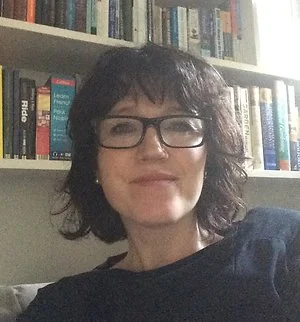
I am a Consultant Clinical Psychologist with over 25 years of experience working across NHS and independent healthcare settings. My background spans general adult mental health, specialist trauma services, primary care, and services supporting autistic people and people with ADHD.
Throughout my career I have held senior clinical and leadership roles within NHS services, alongside providing training, supervision and consultation to other professionals.
My training and experience as a clinical psychologist mean that I am interested in understanding the patterns, experiences and histories that shape how difficulties develop. That depth of experience informs the work we do together.
I understand that starting therapy can feel uncertain, and that finding the right person matters as much as finding the right approach. My aim is to create a calm, thoughtful and non-judgemental space where it feels safe enough to explore what is most difficult, and to work together towards meaningful and lasting change.
I am registered with the Health and Care Professions Council - you can check the register here.

Location and Fees
I offer specialised Psychological Therapy to young people and adults in Sheffield and Birmingham, and across the UK.
All sessions take place online via Zoom. Online therapy is flexible, accessible and just as effective as in-person sessions. I am happy to answer any questions about how it works.
My fee is £125 per session. I work with clients on a self-funded basis.
Get in touch
To arrange a free 20-minute consultation, you can book using the button below, complete the contact form, or call me directly on 07795 538377.
This is an informal conversation, a chance to talk briefly about what has been happening, ask any questions, and get a sense of whether this feels like the right fit before committing to anything further.